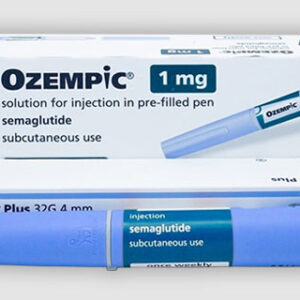
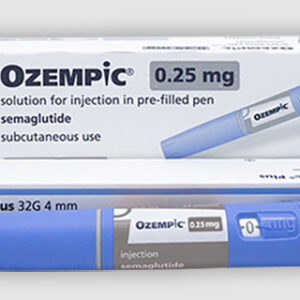
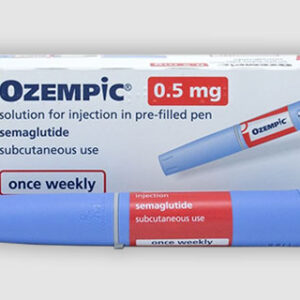
Buy Ozempic (Semaglutide)
Price range: £155.00 through £230.00
Semaglutide peptide is a modified peptide molecule used as the active ingredient in authorised prescription medicines such as Wegovy, Ozempic and Rybelsus. This information guide from Alluvi Healthcare explains its medical background, formulations, research, safety considerations and UK prescription requirements. General information only; not medical advice or an offer of supply.
Semaglutide Peptide: Medical Background and Scientific Information
Semaglutide peptide refers to semaglutide, a modified peptide molecule used as the active ingredient in certain authorised prescription medicines. This information guide from Alluvi Healthcare explains its scientific background, medical applications, differences between authorised formulations, safety considerations and UK regulatory requirements. This page provides general information and does not replace an assessment by a qualified healthcare professional.
What Is Semaglutide?
Semaglutide is a glucagon-like peptide-1 receptor agonist, commonly abbreviated as a GLP-1 receptor agonist. It acts on receptors involved in blood glucose regulation, appetite and digestion.
Semaglutide is the active ingredient in several prescription medicines, including Wegovy, Ozempic and Rybelsus. Although these medicines contain the same active ingredient, they have different authorised indications, presentations and administration requirements.
How Does Semaglutide Work?
Semaglutide acts on GLP-1 receptors in the body. These receptors are involved in several physiological processes, including:
- Regulation of blood glucose levels.
- Insulin release in response to elevated blood glucose.
- Regulation of appetite and food intake.
- Slowing the rate at which the stomach empties.
Its effects and clinical use depend on the specific authorised medicine, its formulation and the patient’s medical circumstances.
Semaglutide Brands and Formulations
Semaglutide is available in different authorised prescription medicine presentations. The brand name and formulation matter because these medicines are not automatically interchangeable.
Wegovy
Wegovy is a semaglutide medicine authorised for weight management in eligible patients. Its use requires appropriate clinical assessment and monitoring.
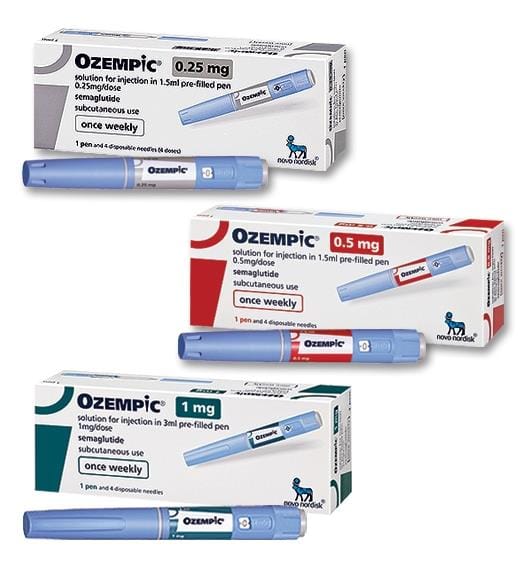
Ozempic
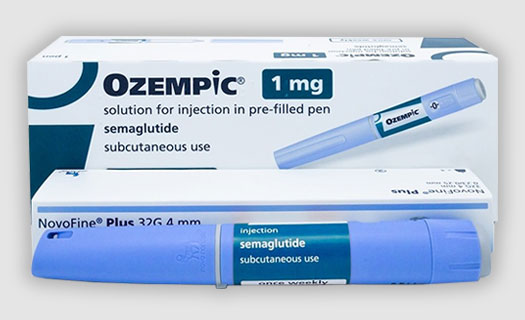
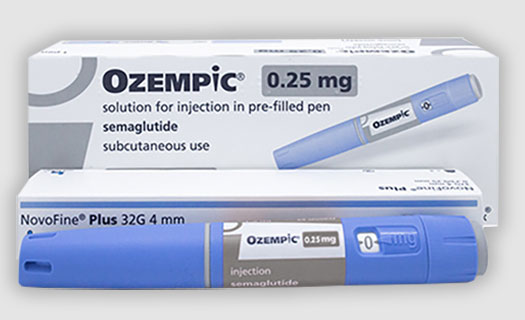
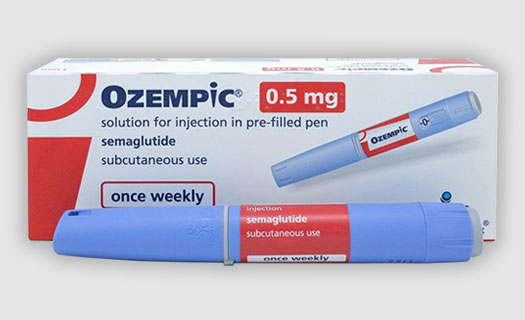
Ozempic is a semaglutide prescription medicine authorised for particular uses in adults with type 2 diabetes. Its authorised indication should not be confused with that of Wegovy.
Rybelsus
Rybelsus is an oral semaglutide prescription medicine authorised for particular uses in type 2 diabetes. Its tablet formulation has different administration requirements from injectable semaglutide medicines.
For current medicine information, consult the NHS semaglutide information page.
Is Semaglutide a Peptide?
Yes. Semaglutide is a modified peptide molecule developed to act as a GLP-1 receptor agonist. Its structure has been designed to provide pharmacological properties that differ from naturally occurring GLP-1.
However, the term “semaglutide peptide” can be used in different ways online. It may refer to the active pharmaceutical ingredient, a finished authorised medicine or an unlicensed material. These are not equivalent.
A raw peptide material or powder should not be assumed to have the same quality, formulation, sterility, regulatory status or clinical suitability as an authorised finished medicine.
Semaglutide in the United Kingdom
Semaglutide medicines supplied in the United Kingdom are prescription-only medicines. They must be prescribed and supplied through an appropriate lawful process.
Different semaglutide brands have different authorised indications. A medicine authorised for type 2 diabetes should not automatically be described as an authorised weight-management treatment.
The NHS semaglutide guidance explains recognised brands, their uses and important safety information.
The MHRA guidance on advertising medicines explains the legal restrictions on public advertising of prescription-only and unlicensed medicines.
Safety Considerations
Semaglutide is a prescription medicine and is not suitable for everyone. Its use requires an assessment of medical history, other medicines, relevant health conditions and potential risks.
Reported adverse effects can include nausea, vomiting, diarrhoea, constipation and abdominal discomfort. More serious complications can occur, and patients should consult their prescriber about symptoms that require medical attention.
People should not use unverified semaglutide materials, products of uncertain origin or medicines obtained outside appropriate regulated supply channels.
Why Product Formulation and Quality Matter
An authorised finished medicine is manufactured and assessed under specific pharmaceutical quality and regulatory requirements. A material described online simply as semaglutide peptide does not automatically meet those requirements.
Important distinctions include:
- Whether the item is an authorised finished medicine or an unlicensed raw material.
- Whether its identity and composition have been independently established.
- Whether the formulation is intended and authorised for its stated route of administration.
- Whether appropriate manufacturing, storage and distribution requirements have been met.
- Whether the product has a valid regulatory authorisation for the intended market.
Frequently Asked Questions About Semaglutide Peptide
What is semaglutide peptide?
Semaglutide is a modified peptide molecule that acts as a GLP-1 receptor agonist. It is the active ingredient in several authorised prescription medicines.
Is semaglutide a GLP-1 medicine?
Yes. Semaglutide is a GLP-1 receptor agonist that acts on receptors involved in blood glucose regulation, appetite and digestion.
Are Wegovy, Ozempic and Rybelsus the same medicine?
They contain the same active ingredient, semaglutide, but have different formulations and authorised indications. They should not be treated as interchangeable.
Is semaglutide prescription-only in the UK?
Yes. Authorised semaglutide medicines are prescription-only and require an appropriate lawful prescribing and dispensing process.
Is semaglutide peptide powder the same as an authorised medicine?
No. A raw or unlicensed peptide material should not be assumed to have the same formulation, quality, sterility, regulatory status or clinical suitability as an authorised finished medicine.
Can semaglutide be used without medical supervision?
Semaglutide is a prescription medicine. Its use should follow an appropriate clinical assessment, prescription and professional monitoring.
Where can I find reliable semaglutide information?
The NHS provides independent information about semaglutide, its authorised brands, uses and safety considerations. The MHRA provides official guidance about medicine licensing and advertising in the United Kingdom.
Important Information
This page is provided for general educational and scientific information. It does not constitute medical advice, a prescription, a treatment recommendation or an offer to supply an unlicensed medicine. Always consult a qualified healthcare professional about prescription medicines and obtain products through lawful, appropriately regulated channels.
Related products
Weight Loss