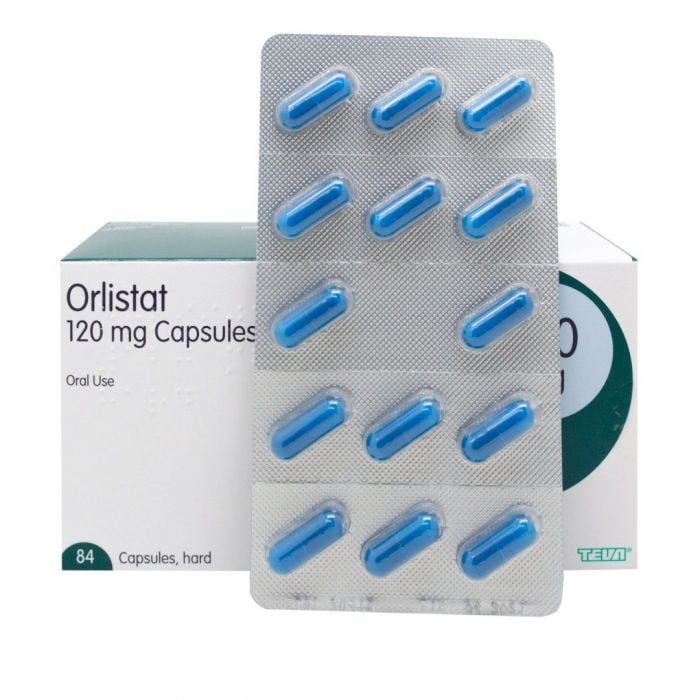
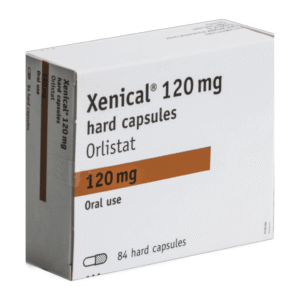
Orlistat Capsules 120mg
£165.00
Orlistat Capsules – learn about orlistat 120mg, how it works in the digestive system, its role in weight management, possible side effects and UK prescription requirements. Explore important safety considerations and professional healthcare guidance before considering treatment.
Orlistat Capsules: Uses, Safety and UK Medical Information
If you are researching Orlistat Capsules, this guide from Alluvi Healthcare explains how orlistat works, its role in weight management, the difference between available strengths, potential side effects and important UK prescription considerations.
What Are Orlistat Capsules?
Orlistat is a medicine used alongside a reduced-calorie, lower-fat diet and appropriate lifestyle changes to support weight management in eligible individuals. It works differently from appetite-suppressant medicines because it acts within the digestive system rather than primarily affecting appetite.
Orlistat is available in different strengths. The 120mg strength is a prescription medicine in the UK, while a 60mg version is available through a separate pharmacy supply route. These strengths should not be treated as interchangeable, and the appropriate option depends on individual circumstances and professional advice.
How Does Orlistat Work?
Orlistat works by inhibiting certain enzymes called gastrointestinal lipases. These enzymes normally help break down dietary fat so that it can be absorbed by the body.
By reducing the breakdown and absorption of some dietary fat, orlistat reduces the amount of energy obtained from fat in food. The unabsorbed fat passes out of the body through bowel movements.
Orlistat does not directly suppress appetite. Its use is intended to complement dietary and lifestyle measures rather than replace them.
Orlistat Capsules 120mg: Understanding the Strength
The 120mg strength is a prescription-only formulation in the UK. It is intended for use under appropriate medical supervision and should only be supplied in accordance with applicable prescription and dispensing requirements.
The suitability of orlistat depends on factors such as a person’s health, weight-management needs, medical history and other medicines. A healthcare professional should assess whether treatment is appropriate.
Possible Side Effects of Orlistat
Because orlistat affects the absorption of dietary fat, many of its common side effects involve the digestive system. These effects may be more noticeable when meals contain higher amounts of fat.
Possible side effects include:
- Oily spotting or discharge
- Oily or fatty stools
- Increased bowel movements
- Urgent need to use the toilet
- Wind, sometimes accompanied by discharge
- Abdominal discomfort
- Loose stools
Some people may experience more serious reactions, including allergic reactions or liver-related problems. Seek medical advice if you develop concerning symptoms, and obtain urgent help for signs of a severe allergic reaction.
Important Precautions and Interactions
Orlistat is not suitable for everyone. It may affect the absorption of certain fat-soluble vitamins, including vitamins A, D, E and K. A healthcare professional or pharmacist can explain whether vitamin supplementation or other precautions are appropriate.
Orlistat may also interact with other medicines. People taking medicines such as ciclosporin, warfarin, levothyroxine or certain anti-epileptic medicines should discuss treatment with a healthcare professional before using orlistat.
People with certain digestive conditions, problems with bile flow or other relevant medical conditions may not be suitable candidates. Always check the official product information and obtain individual medical advice.
Orlistat Capsules and Weight Management
Orlistat is intended to be used as part of a broader weight-management approach. A balanced dietary plan, suitable physical activity and ongoing professional support may all form part of an individual’s care.
It is not appropriate to assume that the medicine will produce the same results for everyone. Treatment decisions should be based on clinical suitability, expected benefits and potential risks.
For general category information, see Alluvi Healthcare Weight Loss. Category placement does not establish that a medicine is suitable for you or that a particular product is authorised for supply.
Frequently Asked Questions About Orlistat Capsules
What are Orlistat Capsules used for?
Orlistat is used alongside dietary and lifestyle measures to support weight management in eligible individuals. It works by reducing the absorption of some fat from food.
How do Orlistat Capsules work?
Orlistat inhibits gastrointestinal lipase enzymes, reducing the breakdown and absorption of some dietary fat. The unabsorbed fat is eliminated through bowel movements.
Are Orlistat Capsules 120mg prescription-only in the UK?
Yes. Orlistat 120mg is a prescription-only medicine in the UK. It should be prescribed and supplied in accordance with applicable UK requirements.
What are the common side effects of orlistat?
Common effects include oily stools, oily spotting, increased bowel movements, wind and abdominal discomfort. Digestive effects can be influenced by the fat content of meals.
Is orlistat the same as an appetite suppressant?
No. Orlistat works in the digestive system by reducing the absorption of some dietary fat. It does not work primarily by suppressing appetite.
Can orlistat affect vitamin absorption?
Yes. Orlistat can reduce the absorption of some fat-soluble vitamins, including vitamins A, D, E and K. Ask a healthcare professional or pharmacist about appropriate precautions.
Official Medical Information
For reliable information about orlistat, its use and safety, consult recognised healthcare and regulatory sources:
- NHS – Orlistat medicine information
- Medicines and Healthcare products Regulatory Agency (MHRA)
- Human Medicines Regulations 2012
About Alluvi Healthcare
Alluvi Healthcare aims to provide accessible healthcare information to help visitors make informed decisions. Learn more about the organisation on our About Alluvi Healthcare page or contact the team through our Contact page.
Medical disclaimer: This page is for general educational purposes only. It does not replace a medical consultation, diagnosis or prescription. Orlistat 120mg is a prescription-only medicine in the UK. Always consult an appropriately qualified healthcare professional about its suitability, risks and use.
Related products
Weight Loss

Weight Loss
Weight Loss
Weight Loss