
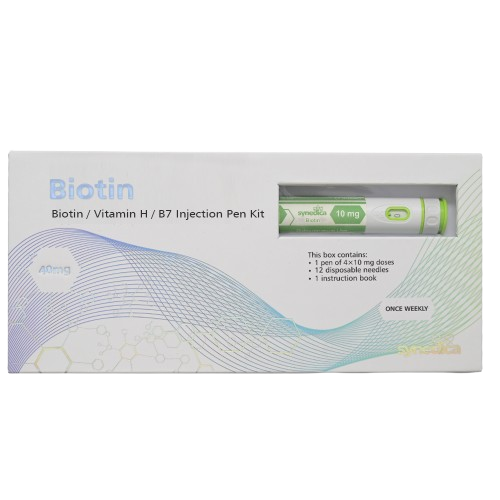
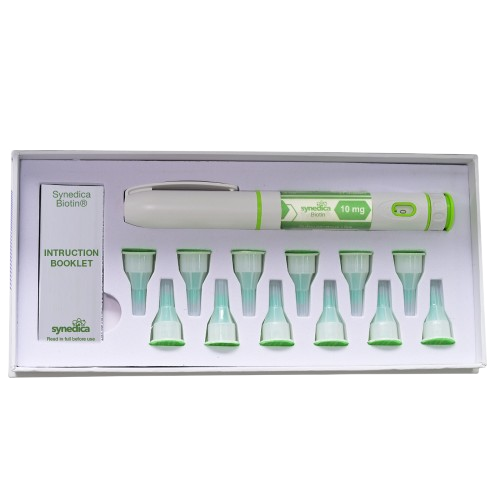
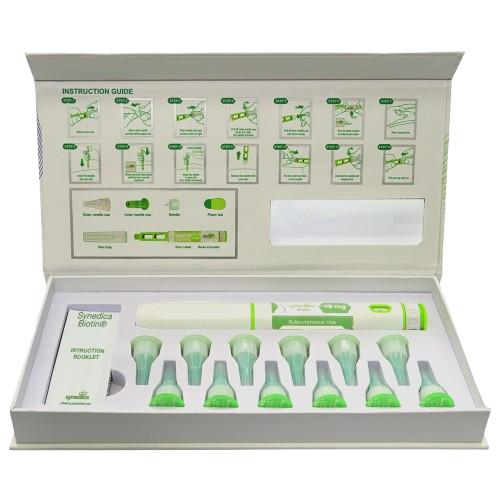
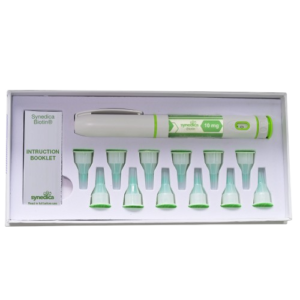
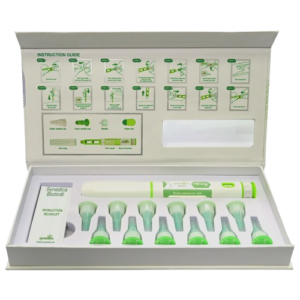
Biotin Injection
£175.00
Learn about Biotin Injection, its relationship to vitamin B7, its medical background, injectable formulations and UK regulatory requirements. Explore important product classification and safety considerations before considering any injectable preparation.
Welcome to Alluvi Healthcare. This page provides general information about Biotin Injection, including its relationship to vitamin B7, its medical background, differences between injectable and oral formulations, and important UK regulatory and safety considerations.
What Is Biotin?
Biotin, also known as vitamin B7, is a water-soluble vitamin that plays an important role in normal metabolic processes. It acts as a cofactor for several enzymes involved in the metabolism of carbohydrates, fats and proteins.
Biotin is naturally present in various foods, including eggs, nuts, seeds, fish and certain vegetables. It is also available in dietary supplement formulations.
Understanding the role of biotin in the body is important when researching different vitamin formulations and their appropriate uses.
What Is Biotin Injection?
Biotin Injection refers to a formulation intended to deliver biotin through an injectable route rather than through an oral supplement. Injectable formulations are different from ordinary tablets, capsules and other products intended to be swallowed.
The exact ingredients, concentration, intended use, manufacturer and regulatory classification must be established from the specific product documentation. The name alone does not confirm the formulation, quality, suitability or authorisation of an injectable product.
People researching Biotin Injection should distinguish between general information about vitamin B7 and the clinical requirements associated with injectable preparations.
Understanding Vitamin B7
Vitamin B7 contributes to several normal biological processes:
- Energy metabolism: Biotin supports enzymes involved in the metabolism of carbohydrates, fats and proteins.
- Normal metabolic function: It participates in biochemical reactions that help the body process nutrients.
- Normal physiological function: Adequate biotin intake contributes to maintaining normal bodily functions.
- Nutritional health: Biotin is an essential nutrient that can be obtained through a balanced diet.
These established nutritional roles should not be interpreted as proof that injectable biotin improves hair growth, skin appearance, energy levels or other outcomes in people who are not deficient.
Injectable Biotin and Oral Biotin Supplements
Biotin is available in different formulations. Oral supplements are designed to be swallowed, whereas injectable preparations are administered through a medical route.
These formulations should not be treated as interchangeable. Their intended uses, administration requirements, product classifications and safety considerations may differ.
People considering an injectable vitamin preparation should obtain advice from an appropriately qualified healthcare professional rather than choosing an injectable product solely because it is marketed as a vitamin.
UK Regulatory Requirements for Biotin Injection
In the United Kingdom, the regulatory classification of an injectable preparation depends on the applicable medicines legislation and the specific product.
Under the Human Medicines Regulations 2012, medicinal products intended for parenteral administration are generally classified as prescription-only medicines. Therefore, an injectable biotin product must not automatically be treated as an ordinary food supplement.
Before any product is supplied or administered, its precise formulation, intended purpose, marketing authorisation status and lawful supply arrangements should be established.
For official information, consult the MHRA guidance on finding medicine product information and the Human Medicines Regulations 2012.
Important Safety Considerations
Injectable products require particular attention to product quality, formulation, sterility, storage and appropriate administration.
Potential risks depend on the exact preparation and may include injection-site reactions, allergic reactions, contamination-related complications and other formulation-specific adverse effects.
Biotin can also interfere with certain laboratory tests, potentially producing misleading results. Anyone using a biotin-containing product should tell their healthcare professional and laboratory staff before relevant blood tests. Follow professional advice about whether and when the product should be stopped before testing.
Do not self-administer an injectable preparation unless it has been appropriately prescribed and you have received the necessary professional instruction.
Choosing Reliable Vitamin and Healthcare Information
When researching vitamin products, it is important to distinguish established nutritional information from unsupported product claims.
Before considering any injectable preparation, check:
- The precise ingredient and formulation.
- The stated concentration and quantity.
- The manufacturer and responsible supplier.
- The intended use and product classification.
- Applicable UK marketing authorisation requirements.
- Product quality and appropriate storage information.
- Relevant warnings and professional administration requirements.
Do not assume that a product is suitable for injection simply because its name contains the word biotin or vitamin B7.
Explore Alluvi Healthcare
To learn more about the organisation, visit About Alluvi Healthcare.
For information about other general wellness products, explore the Alluvi Healthcare Supplements category. Individual products should always be reviewed according to their specific ingredients, intended uses and regulatory classifications.
For general website or product enquiries, visit the Alluvi Healthcare contact page.
Frequently Asked Questions
What is Biotin Injection?
Biotin Injection refers to an injectable formulation containing biotin, also known as vitamin B7. The exact formulation and intended use depend on the specific product.
What is vitamin B7?
Vitamin B7, or biotin, is a water-soluble vitamin that supports enzymes involved in normal carbohydrate, fat and protein metabolism.
Is injectable biotin the same as an oral biotin supplement?
No. Injectable and oral preparations have different administration routes and may have different regulatory classifications, intended uses and safety requirements.
Is Biotin Injection prescription-only in the UK?
Medicinal products intended for parenteral administration are generally prescription-only under UK medicines legislation. The classification and authorisation of the specific product should be verified.
Can biotin affect blood test results?
Yes. Biotin can interfere with certain laboratory tests and may produce misleading results. Tell your healthcare professional and laboratory staff if you use a biotin-containing product.
Should injectable biotin be self-administered?
Injectable preparations should only be used through an appropriate healthcare pathway. Follow the instructions of a qualified healthcare professional and do not self-administer an unverified product.
Medical Information Disclaimer
This page is provided for general educational purposes and does not constitute medical advice, diagnosis or a recommendation to use an injectable product. It does not replace an individual assessment by a qualified healthcare professional. Product-specific information, authorisation and supply requirements must be verified before use.