

Welcome to Alluvi Healthcare.
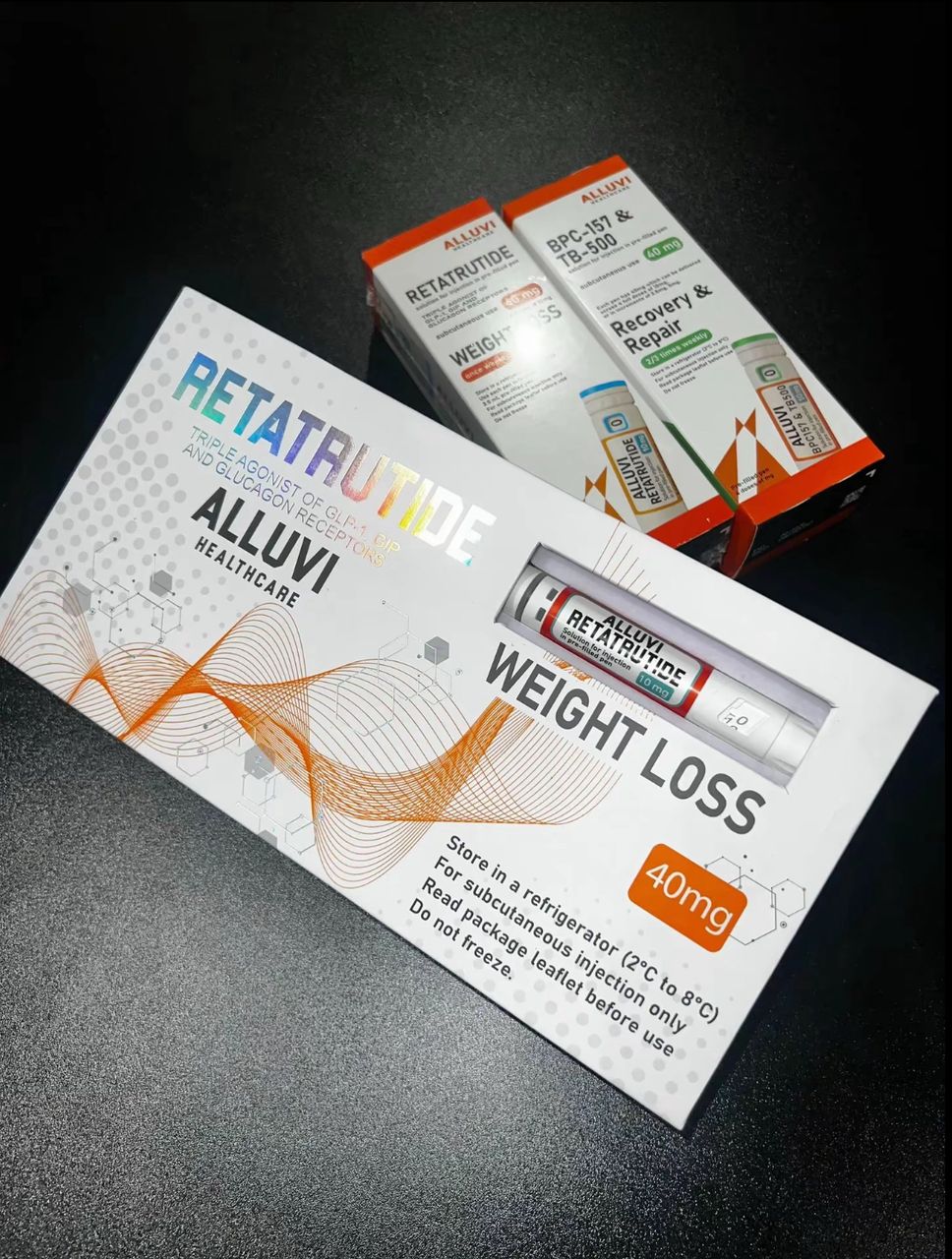
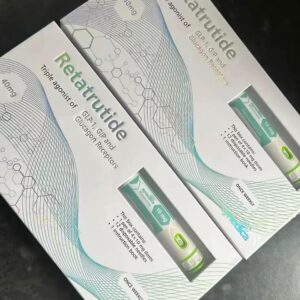
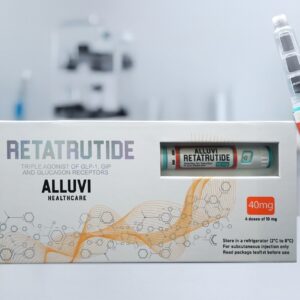
This page provides general, evidence-aware information about Alluvi Retatrutide,
including what retatrutide is, its investigational status, the available clinical
research context and important considerations for people researching this compound.
It is intended for educational purposes and should not be interpreted as an offer
to supply an unlicensed medicine or as a recommendation to use retatrutide.
What Is Alluvi Retatrutide?
Alluvi Retatrutide is the name used for this page’s subject. Retatrutide, also
known by the development code LY3437943, is an investigational compound studied
for its effects on metabolic pathways involved in appetite regulation and glucose
and energy metabolism. It has attracted research interest because it acts on
multiple hormone receptors.
Retatrutide should be distinguished from medicines that have already received
regulatory authorisation. Its investigational status means that research findings
should not be interpreted as proof that it is approved, suitable or safe for
general consumer use.
How Does Retatrutide Work?
Retatrutide is being investigated as a triple-hormone receptor agonist. Its
activity involves the glucagon-like peptide-1 (GLP-1), glucose-dependent
insulinotropic polypeptide (GIP) and glucagon receptors.
Researchers are studying how activity at these receptors may influence appetite,
food intake, glucose regulation and energy balance. These are research mechanisms,
not a guarantee of a particular result for an individual.
Retatrutide Clinical Research
Clinical research into retatrutide has examined its potential effects in people
with metabolic conditions, including obesity and type 2 diabetes. Study findings
must be interpreted in the context of their design, participant groups, duration
and reported limitations.
For reliable information, consult published clinical research and official
regulatory communications rather than relying on promotional claims, online
testimonials or unverified product descriptions.
Is Retatrutide Approved in the UK?
Retatrutide is an investigational compound and should not be presented as an
MHRA-authorised medicine for routine use in the UK. Regulatory status can change,
so readers should consult official sources for the latest information before
making decisions about medicines.
The Medicines and Healthcare products
Regulatory Agency (MHRA) provides information about medicines regulation
in the United Kingdom.
You can also read the MHRA’s guidance on
advertising medicines, including
the restrictions that apply to the promotion of prescription-only medicines.
Important Considerations
- Investigational compounds are not interchangeable with authorised medicines.
- Research findings do not establish that a compound is appropriate for personal use.
- Online descriptions and testimonials are not substitutes for regulatory information or clinical evidence.
- Do not use an investigational compound without appropriate lawful authorisation and qualified medical oversight.
- Do not assume that a product is genuine, authorised or suitable based solely on its online listing.
About Alluvi Healthcare
Alluvi Healthcare provides information about its organisation and services through
its official website. To learn more about the organisation, visit the
About Alluvi Healthcare
page.
For general enquiries, use the
Contact Alluvi Healthcare
page. Please note that general website enquiries are not a substitute for
professional medical advice.
Frequently Asked Questions
What is retatrutide also known as?
Retatrutide is also known by its development code LY3437943.
Is retatrutide an investigational compound?
Yes. Retatrutide has been studied in clinical research but should not be
represented as an authorised medicine for routine UK use.
Is retatrutide the same as semaglutide or tirzepatide?
No. These are different compounds with different receptor activity and
regulatory histories. They should not be treated as interchangeable.
Where can I find reliable information about retatrutide?
Consult published clinical studies and official regulatory sources, including
the MHRA. Avoid relying on unsupported claims or online testimonials.
Does this page provide medical advice?
No. This page is for general educational information only. Speak with a
qualified healthcare professional about medical questions or treatment decisions.
Related products

Weight Loss
Weight Loss
Weight Loss
Weight Loss
Weight Loss
Weight Loss